We’re all familiar with urban sprawl. But what impact does it have on those who live and work in an urban environment? And how does the built environment play a role?
By 2050, two-thirds of the world’s population will live in urban areas, according to the Nature Conservancy. An increasing urban population means that cities are expanding their footprint at an alarming rate. It also means that fewer people have access to nature’s benefits.
How can we connect cities and nature? That’s a question the Biophilic Cities organization is on a quest to answer. The organization partners with cities, scholars and biophilic design advocates from across the globe to build an understanding of the value and contribution of nature in cities to the lives of urban residents.
Biophilic buildings for more biophilic cities
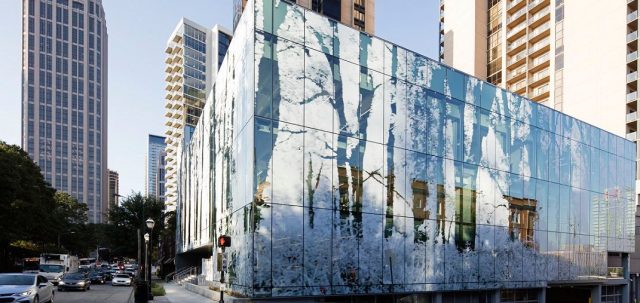
Biophilic Cities recently visited Interface’s headquarters in Atlanta to highlight how the built environment can have a positive environmental impact through natural and sustainable design elements. Atlanta, the
“city in a forest,” is projected to double in size to 10 million people by 2060. If not managed properly, growing urban development could make Atlanta more “city” and less “forest.”
The potential negative impact on Atlanta citizens and the natural environment is something Interface took to heart in the development of its new “Base Camp.” Ultimately, Interface designed a space that’s both people-focused and modeled after nature. Get the full story via this interview filmed by Biophilic Cities: